
Scaling What Works: Building Sustainable Economic Empowerment Systems for Women and Youth in Kenya
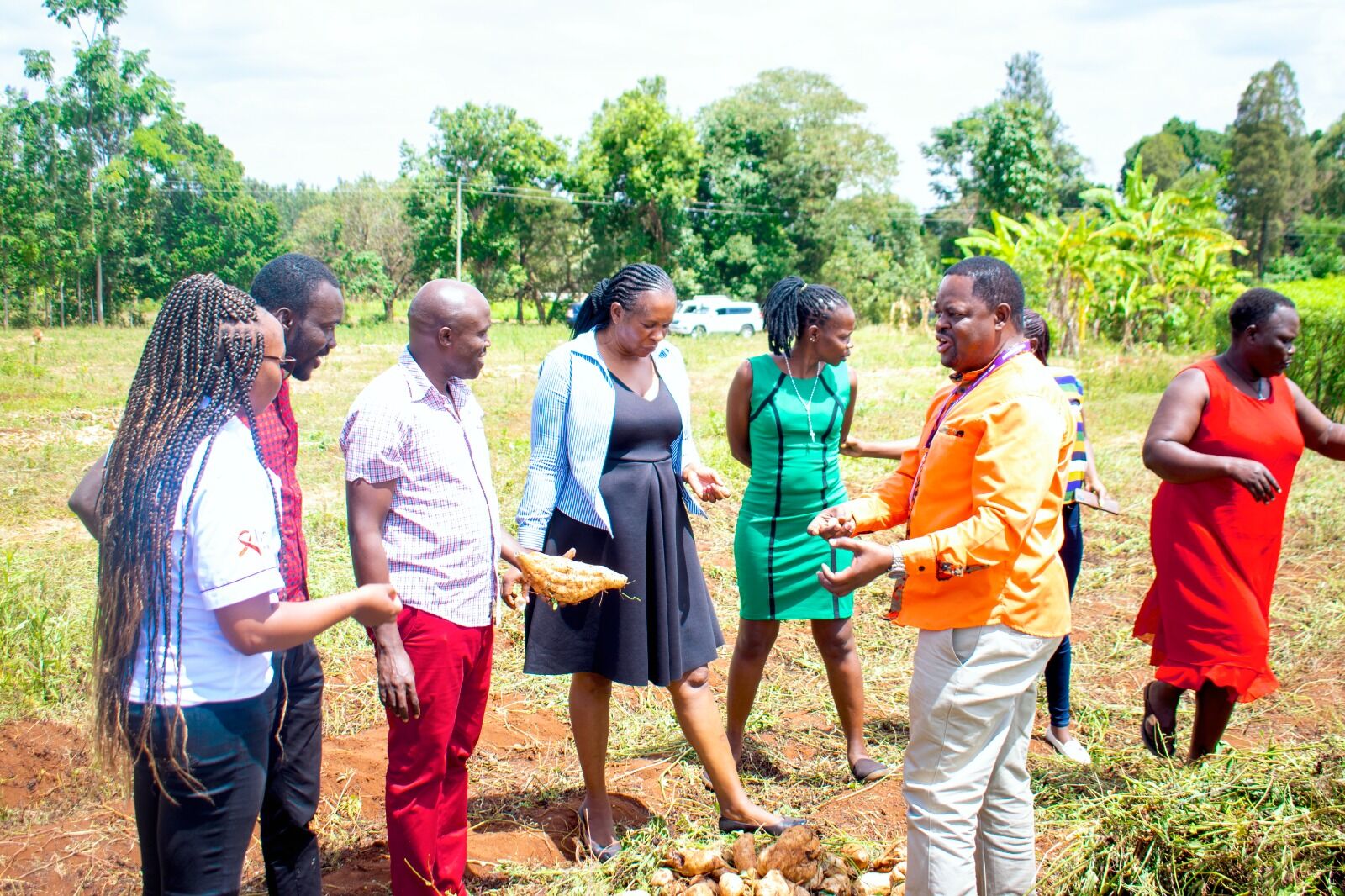
Across Africa, the conversation on economic empowerment is evolving. The focus is no longer solely on delivering programs, but on designing systems that can sustain impact at scale, particularly for women and youth, who remain central to the continent’s economic future.
In Kenya, this shift is already taking shape through the work of Andrew Wafula, a development expert working with WEIForward and Founder of Empowering Bridge Consulting (EBC). With over a decade of experience across East Africa, Andrew has led multi-county initiatives reaching more than 100,000 adolescents and young people, translating policy into practical, scalable solutions.
For Andrew, the challenge is clear: while many interventions have expanded access to skills and training, fewer have successfully addressed long-term sustainability.
“Economic empowerment cannot stop at training,” he explains. “Without access to markets, finance, and ongoing support, the outcomes are difficult to sustain.”
Moving from Programs to Systems
Andrew’s work reflects a growing recognition across the development sector: sustainable impact requires a shift from fragmented interventions to integrated, system-driven models.
This approach is embodied in the Vukisha Economic Empowerment Model (VEEM), a framework developed and refined over eight years to address the interconnected barriers facing women and youth.
The model takes a market-led approach, beginning with identifying viable economic opportunities and co-creating solutions with communities. It then integrates financial literacy, savings mechanisms, entrepreneurship training, and access to capital. Crucially, it extends beyond initial support, providing mentorship, coaching, and market linkages that enable enterprises to grow and sustain themselves.
In Homa Bay County, the results demonstrate the model’s potential. Over 6,000 young women have participated in VEEM-supported interventions, with thousands accessing entrepreneurship support, financial services, and business start-up opportunities.
“These are not short-term outputs,” Andrew notes. “They represent long-term shifts in income, resilience, and economic participation.”
A Strategic Partnership for Scale
The partnership between WEIForward and EBC is designed to build on these results and expand them across Kenya and beyond. By combining WEIForward’s global expertise and networks with EBC’s local implementation experience, the collaboration advances a model that is both scalable and contextually grounded.
One example is the integration of VEEM into existing government-led initiatives such as vocational training programs. While these programs have achieved significant reach, they often lack structured post-training support, particularly in areas such as business development, financial inclusion, and market access.
By embedding VEEM within these ecosystems, the partnership strengthens the full value chain, from skills development to enterprise sustainability.
“This is about complementing what already exists,” Andrew explains. “We are not replacing systems. we are strengthening them.”
The implications of this work extend beyond individual programs. Importantly, the model recognizes women and youth not as beneficiaries, but as economic actors with the potential to drive inclusive growth.
“When women and young people are economically empowered, the impact extends far beyond individuals,” Andrew says. “It strengthens households, communities, and local economies.”
Looking Ahead
As WEIForward expands its footprint across Africa, the focus will be on scaling proven approaches that deliver both impact and sustainability. Andrew’s experience in Kenya provides a practical blueprint for how this can be achieved, by aligning market systems, government structures, and community realities.
For Andrew, the path forward is both clear and urgent.
“We are at a point where we must move beyond delivering projects,” he says. “The opportunity now is to invest in systems that can sustain impact over time.”
In this context, partnerships will play a critical role, bringing together technical expertise, financing, and implementation capacity to scale solutions that work.
Because the future of economic empowerment in Africa will not be defined by the number of programs delivered, but by the systems that endure.